Knowledge
Practical technical notes for rubber & chemical sourcing, plus real-world playbooks for buying direct from Chinese factories — so overseas buyers know exactly what they are getting.
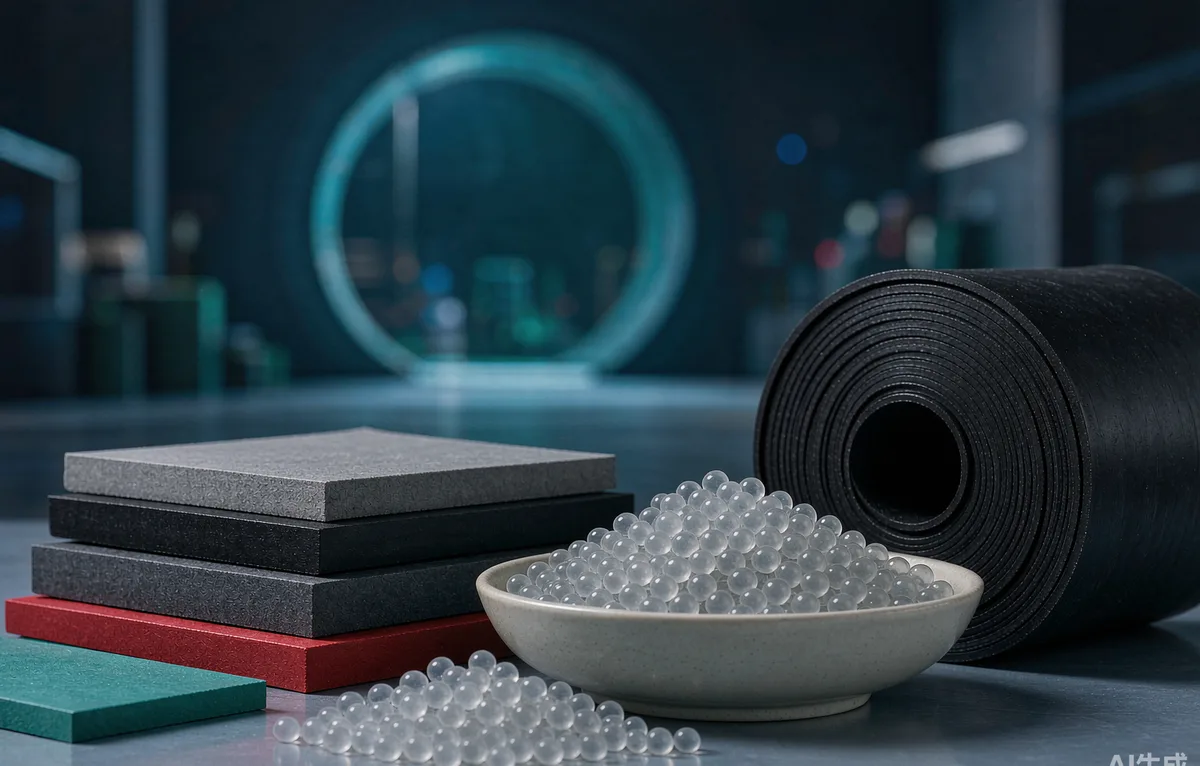
How Rubber Products Are Made: Mixing, Forming, Vulcanization & Finishing
The four stages every rubber part passes through, and the temperatures and tolerances that decide quality.
View →Processing & curingMixing Sequence: When to Add What, and Why It Matters
The standard two-stage mixing order for a filled compound, and the three additions that most often cause problems.
View →Processing & curingScorch Safety: Understanding t5, ts2 and t35
How to read scorch numbers off a Mooney or rheometer curve, and what safety margin to require from a supplier.
View →Processing & curingCalendering and Extrusion: Reading the Common Defects
What surface roughness, edge tearing, die swell and blisters each point to in the upstream compound.
View →Processing & curingCure Time and Temperature: Reading a Rheometer Curve
How to find t90, how thick sections change the required cure, and why cure time from a data sheet is not a production setting.
View →Processing & curingRelease Agents in Tyre and Rubber Production
Internal versus external release, what causes mould fouling, and how release choice affects appearance and cycle time.
View →