Knowledge
Practical technical notes for rubber & chemical sourcing, plus real-world playbooks for buying direct from Chinese factories — so overseas buyers know exactly what they are getting.
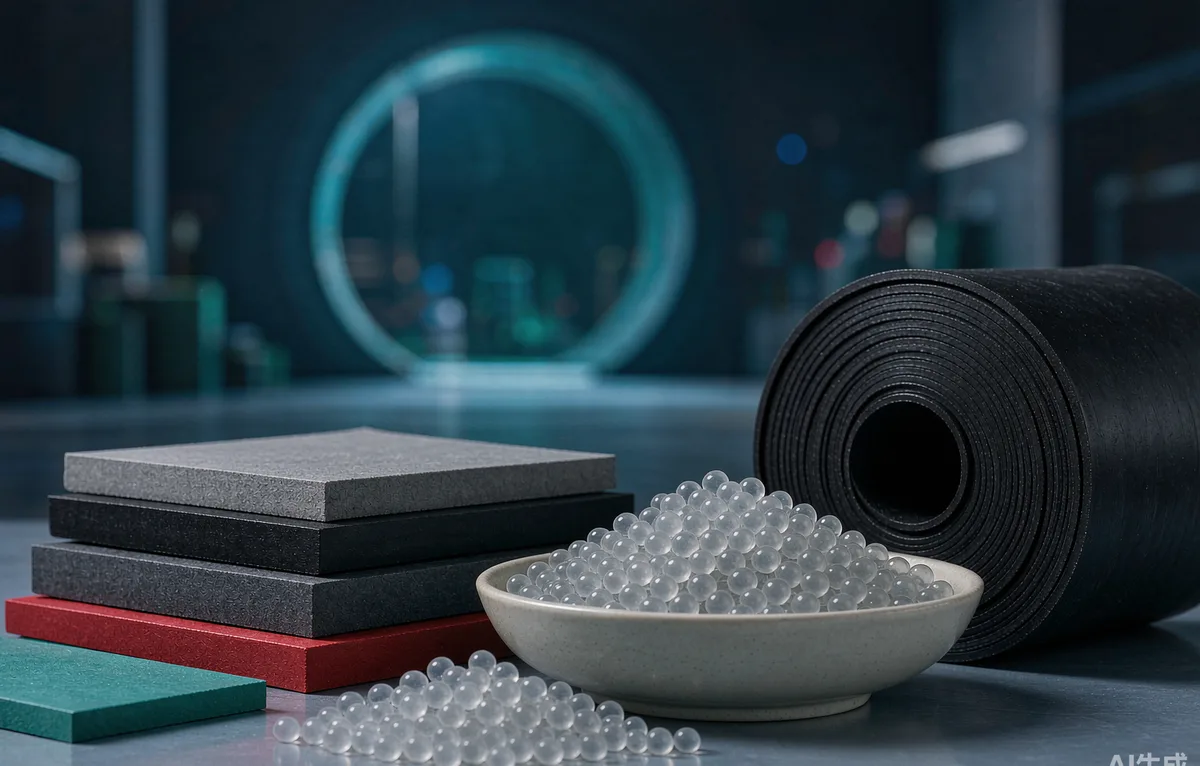
How to Read a Rubber Test Report: Hardness, Tensile & Compression Set
The three numbers on every rubber datasheet, the standards behind them, and how to read them correctly.
View →Testing & QCHow to Read a COA for Rubber Chemicals
The fields a certificate of analysis must contain, the ones that are easy to fake, and how to spot a certificate that does not match the drum.
View →Testing & QCMooney Viscosity: What the Number Actually Means
How to compare ML(1+4) values between suppliers, and why the same polymer can give different readings on different machines.
View →Testing & QCTensile, Elongation and Hardness: Interpreting a Test Report
Why higher tensile strength is not always better, how hardness is measured correctly, and which properties predict field performance.
View →Testing & QCBatch-to-Batch Consistency: What to Ask Before You Repeat an Order
How to set up a comparison that detects drift, and the four questions that reveal whether a supplier controls its process.
View →Testing & QCMSDS, COA and TDS: Which Document You Actually Need
The difference between the three documents buyers confuse most, what each is legally and commercially for, and when to insist on all three.
View →